
Recipe history & notes
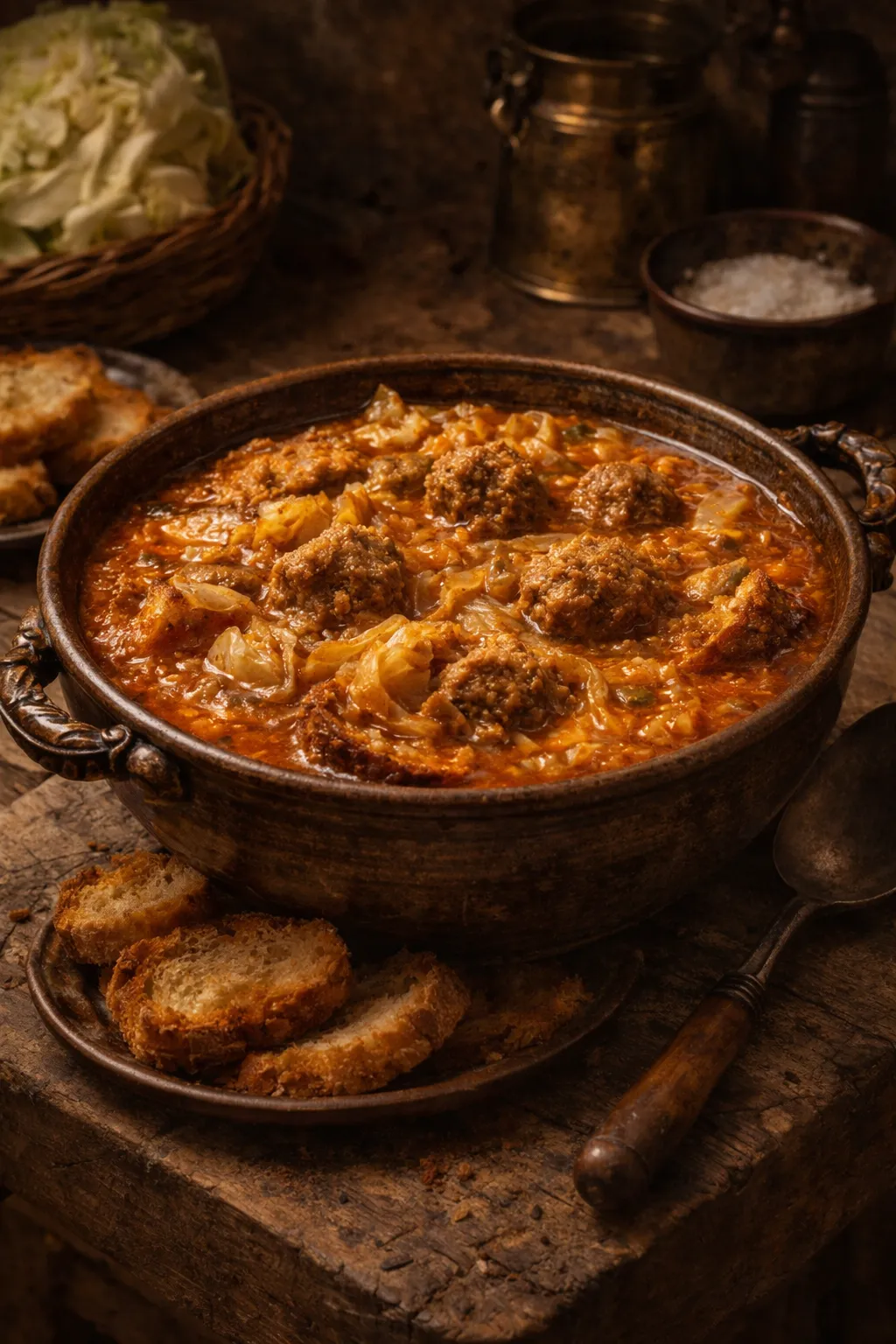
Soup with Meat Dumplings is a historical Romanian recipe from 1842, presented with ingredients, preparation, and historical context. This page brings together the available transcription, editorial notes, and the original manuscript image.
Ingredients – Soup with Meat Dumplings
- 5-6 drams veal or poultry
- white loaf (crumb)
- milk
- beef marrow
- 2 drams fat
- egg yolks
- salt
- clear broth
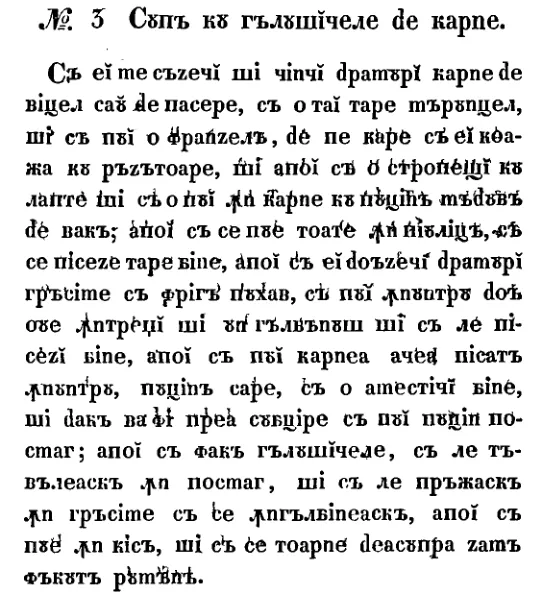
Original manuscript
Digitised facsimile from the 1842 archive.
Historical narrative
# Soup with Meat Dumplings (1842)
## Faithful Translation into Modern English
Take six or five drams of veal or poultry, chop it very finely, and take a white loaf from which the crust is removed and grated; then moisten it with milk and put it into the meat together with a little beef marrow.
Then put everything into a mortar and pound very well; then take twenty drams of fat and fry it a little, and put it into a pot together with egg yolks and bind it well, then add the pounded meat inside, a little salt, and mix well; and if it is too thin, add a little cloth (binder).
Then make dumplings, roll them in cloth, and fry them in fat until browned; then place them in a bowl and pour clear boiled broth over them.
Cook’s advice
# Tips for a Modern Kitchen
These recommendations are not part of the original text.
1. Use very finely minced meat for a delicate texture.
2. Replace “postav” with fine breadcrumbs or a small amount of flour.
3. Fry the dumplings until golden, then transfer them into hot broth.
4. Serve with a well-strained clear stock.
Additional notes
# Historical Notes
- “Drams” is an old unit of weight; exact values may vary.
- “Postav” appears as a binder; likely fine crumbs or flour.
- Beef marrow was used to enrich the mixture.
- The dumplings are fried before being added to the broth, unlike many modern versions.